
The place
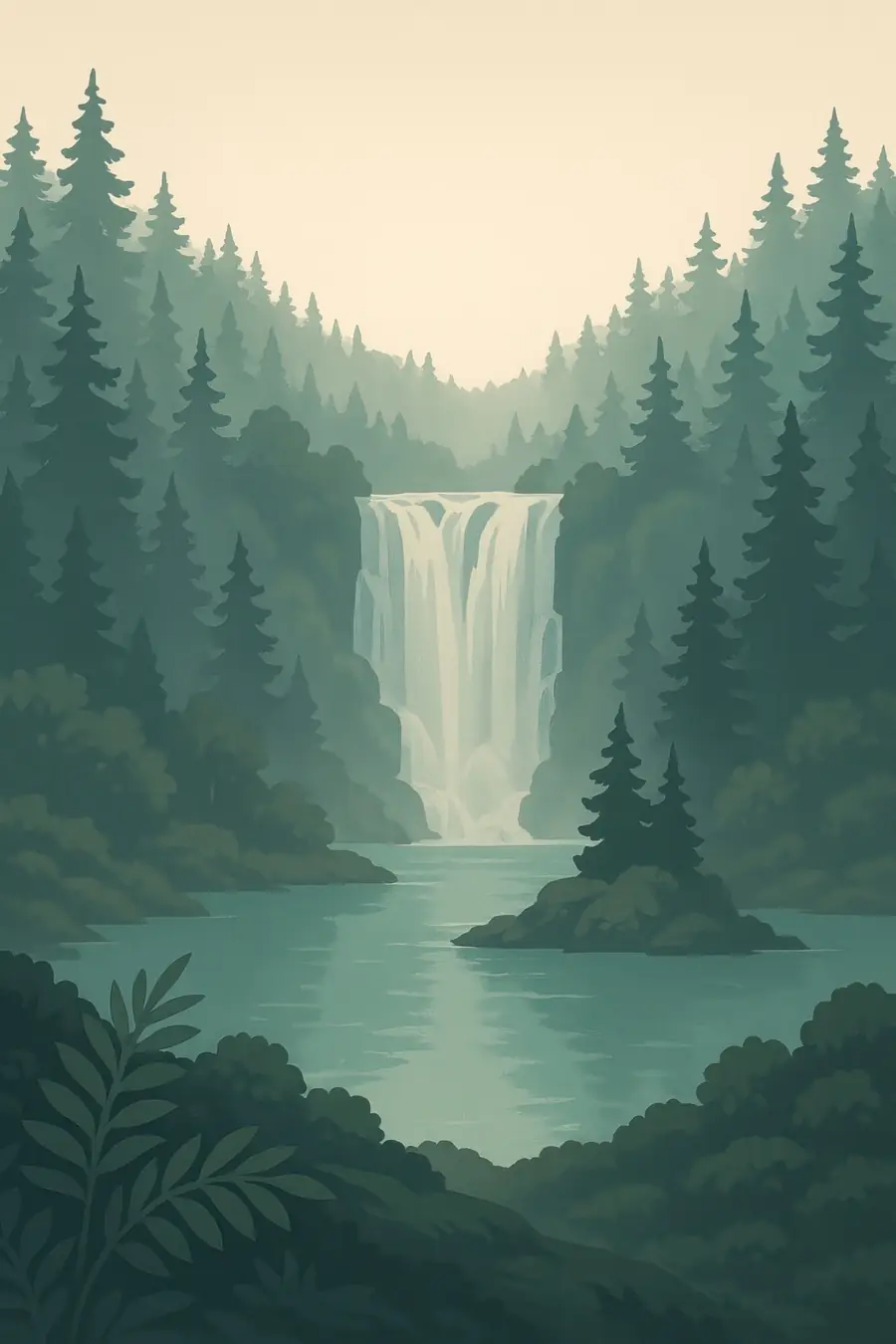
The lakes sit in a limestone and dolomite valley in the Dinaric karst. Water from rivers and springs carries dissolved calcium carbonate, which settles on mosses, algae and bacteria to build barriers of tufa, or travertine. Over thousands of years, these living dams have grown and divided the valley into lakes stepping down from the upper lakes to the lower canyon, where the Veliki slap waterfall drops about 78 m. The water changes colour from turquoise to green and blue with the light and minerals. Beech and fir forests cover the surrounding hills. Wooden walkways cross the lakes, and the sound of water is everywhere.
History
The area has been settled since prehistoric times, and later lay on the border between the Habsburg and Ottoman empires, as part of the Military Frontier. Farming families lived in the valley, grazing animals and using the water to run mills. Visitors began arriving in the 19th century, and the first hotel opened in the 1890s. The area became a national park in 1949 and was among the first natural sites on the World Heritage List in 1979. On Easter Sunday 1991, a clash at Plitvice became one of the first deadly events of the Croatian war. The park was occupied during the war and was on the List of World Heritage in Danger from 1992 to 1997.
Why it matters for the living world
Plitvice is an example of active tufa formation, a process that depends on clean water and living organisms, so the lakes are still being built today. Forests cover around four fifths of the park, including old-growth beech and fir at Čorkova uvala. The park is home to brown bears, wolves and lynx, as well as many bats, birds and amphibians, and around 1,400 plant species, including orchids and carnivorous plants. Its caves, springs and karst streams hold specialised invertebrates. The lakes also store and filter water within a large karst catchment that feeds the Korana river.
People of the place
Before and after the war, people in nearby villages lived from farming, forestry and tourism. The war displaced much of the local population, both Serb and Croat, and many villages around the park lost people who did not return. Today the national park is one of the largest employers in the region, and most local income comes from guesthouses, restaurants and services for visitors. Residents inside the park face rules on building and land use, which can cause tension. The park authority manages the area and runs research and monitoring, and the lakes are a strong symbol of national heritage in Croatia.
What it faces
Very high visitor numbers, especially in summer, put pressure on paths, water and wildlife, and the park has introduced timed tickets and daily limits. The IUCN notes inadequate wastewater treatment in the past, uncontrolled building of tourist accommodation in and near the park, and the transport of dangerous goods on the state road through it. Drinking water is drawn from Kozjak Lake, which could affect tufa formation in dry periods. Climate change may alter water flow and temperature, which in turn affects tufa growth. The IUCN rates the outlook as good with some concerns, and calls for a road bypass and better control of construction.
Sources
- Plitvice Lakes National Park – IUCN World Heritage Outlook
- Advisory body evaluation: Plitvice Lakes – UNESCO archive
- Plitvice Lakes National Park datasheet
Written for Regenerative Voices from the sources above. Spotted something wrong? Tell us.