
The place
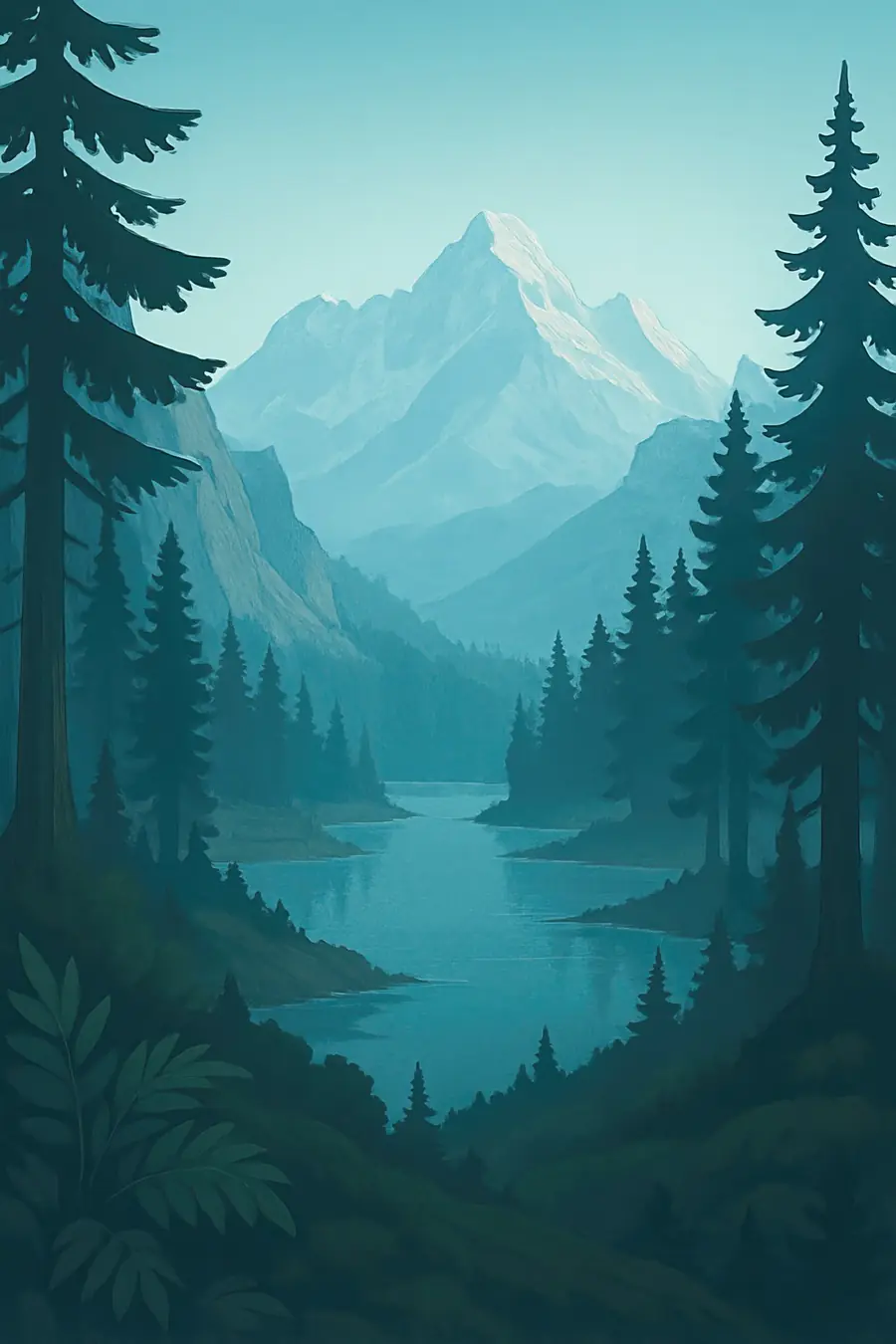
The park is a country of steep limestone and shale peaks, layered seabed rock pushed up and folded as the Rockies formed. Glaciers and icefields still sit on the high summits along the Continental Divide, and their meltwater gives lakes like Lake Louise and Moraine Lake their milky turquoise colour. The Bow River runs down a broad glacial valley through forests of lodgepole pine, spruce and fir, with alpine meadows and bare scree above the trees. Winters are long and cold, summers short and bright, and weather can change fast. Hot springs rise from deep faults near the town of Banff. You hear rushing water, the bugle of elk in autumn and trains on the valley floor.
History
People have lived in and travelled through these valleys for at least ten thousand years, hunting, trading and holding ceremonies here. The Stoney Nakoda, Blackfoot Confederacy nations, Tsuut'ina, Ktunaxa and others all have long ties to the area. In 1877 Treaty 7 was signed with several of these nations. The Canadian Pacific Railway reached the Bow Valley in the 1880s, and after railway workers came upon the hot springs, the government set aside a small reserve around them in 1885. It grew into a large park, and First Nations were excluded from hunting and living within it. For decades the Banff Indian Days event invited Stoney Nakoda families back, mainly as a tourist attraction.
Why it matters for the living world
Banff protects a large piece of the Rocky Mountain ecosystem, from valley grasslands to glaciers. Grizzly bears, black bears, wolves, cougars, elk, moose, bighorn sheep and mountain goats live here, and the park is a key link in a wildlife corridor along the Rockies. In 2017 Parks Canada brought plains bison back to the park's remote backcountry, more than a century after they were wiped out. The fenced Trans-Canada Highway through the park has a series of wildlife overpasses and underpasses that are studied around the world. Its glaciers and snowpack feed the Bow River, which supplies water to Calgary and farms downstream on the prairies.
People of the place
The Stoney Nakoda, who call themselves Îyârhe Nakoda, live just east of the park at Mînî Thnî (Morley) and treat these mountains as homeland. The Siksika, Kainai and Piikani of the Blackfoot Confederacy and the Tsuut'ina also hold deep connections, along with the Ktunaxa and Secwépemc to the west and Métis people. Parks Canada now offers members of Treaty 7 nations free park access, welcomes visitors in Indigenous languages and works with nations on ceremonies, place names and bison return. The town of Banff and the hamlet of Lake Louise live mostly from tourism. Many residents and First Nations are pushing for stronger Indigenous roles in park management, including guardian programmes.
What it faces
Banff draws millions of visitors a year, and traffic, development and crowding put strain on wildlife and the small town. Highway and railway collisions have been major causes of death for grizzly bears and other animals, and work on crossings and fencing continues. Glaciers are shrinking fast as the climate warms, changing river flows and alpine habitats. Mountain pine beetle outbreaks and a long history of fire suppression have changed forests and raised the risk of large wildfires, so Parks Canada uses prescribed burns. Invasive fish and aquatic species threaten native trout. The park caps commercial growth in the town and adjusts visitor access to protect sensitive areas.
Sources
- Stoney Nakoda park pass honours traditional connection to Banff (Rocky Mountain Outlook)
- Banff Indian Days affirmed stereotypes, reinforced culture (Rocky Mountain Outlook)
- Banff National Park to welcome visitors in Indigenous languages (Rocky Mountain Outlook)
- Banff-area First Nation hopes for park guardian role (The Globe and Mail)
- Nakoda people (Wikipedia)
Written for Regenerative Voices from the sources above. Spotted something wrong? Tell us.