
The place
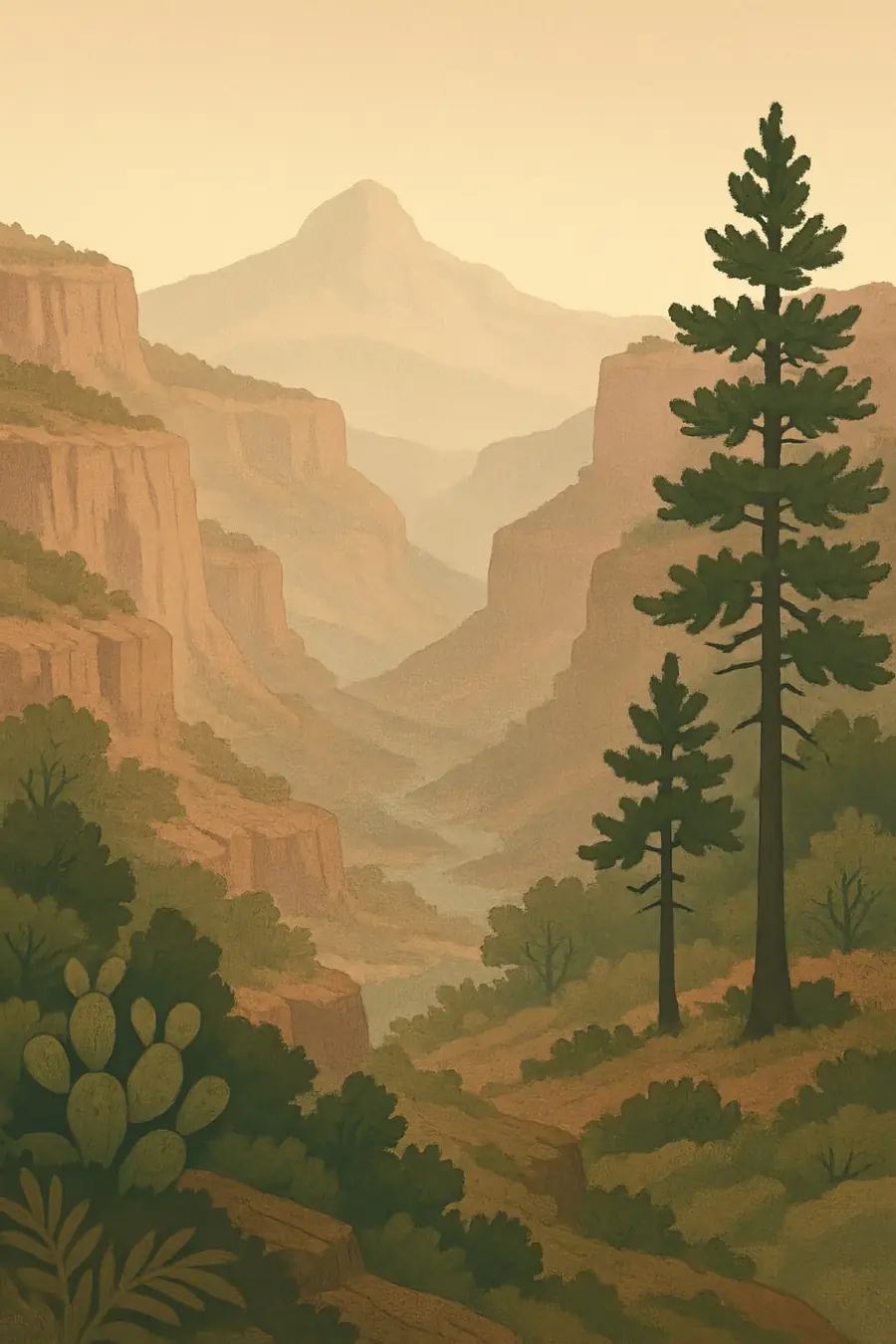
The Copper River rises in glaciers in the Wrangell Mountains and runs roughly 470 kilometres to the sea. In its upper basin it flows across a broad plateau of spruce forest, lakes and permafrost, ringed by volcanic peaks such as Mount Wrangell and Mount Drum. Further south it cuts through the Chugach Mountains in a deep canyon, past glaciers that reach the riverbanks, and then spreads into a maze of braided channels, sandbars and wetlands on the coast. The water is grey and thick with glacial silt. Winters inland are long and very cold, while the coast is wet and stormy. You hear the river's hiss over gravel, ravens, wind off the ice and, in summer, the slap of salmon.
History
Ahtna people have lived along the Copper River for many centuries, and the Eyak lived near its mouth. Ahtna made tools from the native copper found in the region and traded it widely, which gave the river its English name. Russian expeditions in the 1800s made little headway upriver. American expeditions explored the river in the 1880s, and in the early 1900s rich copper deposits at Kennecott led to the building of the Copper River and Northwestern Railway from Cordova. The mines closed in 1938. The Alaska Native Claims Settlement Act of 1971 and the national park established in 1980 reshaped land ownership across the basin.
Why it matters for the living world
The Copper River supports some of the best-known wild salmon runs in the world, including sockeye, Chinook and coho that travel hundreds of kilometres upstream to spawn in its tributaries and lakes. The delta is one of the largest wetlands on the Pacific coast of North America and a major stopover for millions of migrating shorebirds each spring, including western sandpipers and dunlin. Trumpeter swans and dusky Canada geese nest there. Brown bears, moose and wolves range through the basin. The salmon carry ocean nutrients far inland, feeding forests, bears and birds. The glaciers that feed the river are a large store of freshwater now melting quickly.
People of the place
The Ahtna, an Athabascan people whose name is tied to the river itself, have lived along its banks for generations, fishing for salmon with dip nets and fish wheels and hunting moose and caribou. Today they are represented by village councils and by Ahtna, Incorporated, the regional Native corporation. The Eyak and Sugpiaq (Chugach Alutiiq) peoples live around Cordova and the coast. Cordova's commercial fishing fleet works the Copper River flats each spring. Alaskans from across the state come to Chitina to dip-net salmon for their families. Subsistence fishing rights for rural residents are guaranteed under federal law, and Ahtna leaders take part in managing fish and game in the region.
What it faces
Chinook salmon returns have fallen sharply in recent years, leading to fishing restrictions that hit subsistence, personal-use and commercial users alike. Warming rivers, changing ocean conditions and heavy fishing pressure are all being studied as causes. Glaciers in the basin are retreating fast, and thawing permafrost is changing land and water in the upper valley. Proposals for new roads, mining and other development have raised concern about salmon habitat. Cordova's fishers, the Ahtna, the Native Village of Eyak and conservation groups monitor fish runs, run research projects and work together to keep the watershed's habitats intact.
Sources
- Copper River in Wrangell-St. Elias (NPS)
- History of the Wrangell-St. Elias Area (NPS)
- Ahtna and Wrangell-St. Elias National Park and Preserve: An Ethnographic Overview and Assessment (NPS)
- Copper River (Alaska) (Wikipedia)
Written for Regenerative Voices from the sources above. Spotted something wrong? Tell us.