
The place
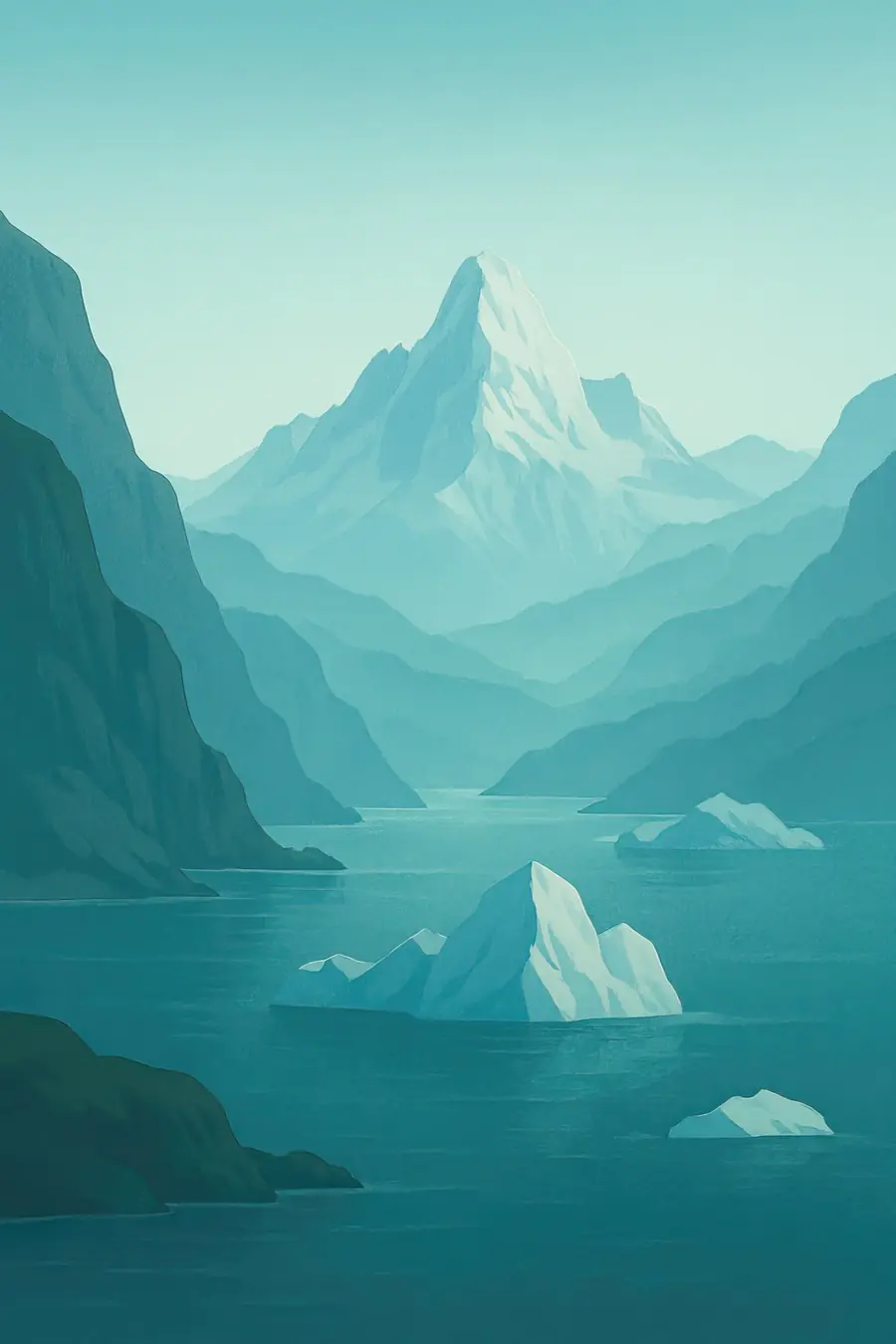
Glacier Bay is a landscape still being uncovered. Little more than two centuries ago the bay was filled by a single great glacier. Since then the ice has retreated more than 100 kilometres, opening a long fjord with many arms. Tidewater glaciers still reach the sea at the heads of the inlets, and chunks of ice break off and fall into the water with a crack and boom. Behind the bare rock left by the ice, mosses, willow and alder take hold first, then spruce and hemlock forest further down the bay. The Fairweather Range rises steeply to the west. The climate is cool and wet. You hear calving ice, humpback whales blowing and sea lions on the rocks.
History
The Huna Tlingit lived in Glacier Bay before the last advance of the ice. Their oral histories tell how, during the Little Ice Age, the glacier advanced quickly and destroyed their villages more than 250 years ago, forcing the clans to move across Icy Strait to the area of present-day Hoonah. When British navigator George Vancouver passed in 1794 the bay was a wall of ice. John Muir visited in 1879 and wrote about the retreating glaciers, which drew steamships and tourists. In 1925 Glacier Bay became a national monument, which covered much of the Huna homeland and limited hunting, fishing and gathering. It became a national park and preserve in 1980.
Why it matters for the living world
Glacier Bay is one of the best places in the world to study how life returns after ice retreats. Ecologists have tracked plant succession here for over a century, from bare rock to mature rainforest. The bay's cold, nutrient-rich waters support humpback whales, orcas, Steller sea lions, harbour seals and a growing population of sea otters, which returned after being hunted out. Seabirds nest on its islands, and brown and black bears, mountain goats and moose live along the shores. The bay is part of one of the largest internationally protected areas on Earth, together with neighbouring parks in Alaska, Yukon and British Columbia.
People of the place
The Huna Tlingit regard Glacier Bay as their homeland and place of origin, and four Huna clans traditionally held territories in and around the bay. Many Huna live in Hoonah today. For decades, park rules sharply limited their ability to harvest seal, goats, berries and gull eggs, which strained relations with the National Park Service. In recent years the park and the Hoonah Indian Association have worked together to revive harvests, and Congress authorised a renewed gull egg harvest in 2014. In 2016 the Huna clan house Xunaa Shuká Hít was dedicated at Bartlett Cove, the first permanent clan house in the bay since the ice advance.
What it faces
Most visitors arrive on large cruise ships, and the park limits the number of ship entries each summer to protect whales and air quality. Vessel speed limits in whale waters reduce the risk of collisions. The glaciers are changing as the climate warms, with many retreating or thinning, which shifts habitat for seals that use floating ice. Warming seas and marine heatwaves affect fish, seabirds and whales. Steep slopes above the fjords have produced large landslides, which could cause local tsunamis. The park continues long-term monitoring of whales, seabirds and glaciers and works with the Huna Tlingit on cultural and environmental stewardship.
Sources
- Glacier Bay Homeland (NPS)
- Early Peoples - Glacier Bay (NPS)
- Neoglacial landscape and human history of Glacier Bay (USGS)
- Tribal house to mark Huna Tlingit connection to Glacier Bay (Juneau Empire)
Written for Regenerative Voices from the sources above. Spotted something wrong? Tell us.