
The place
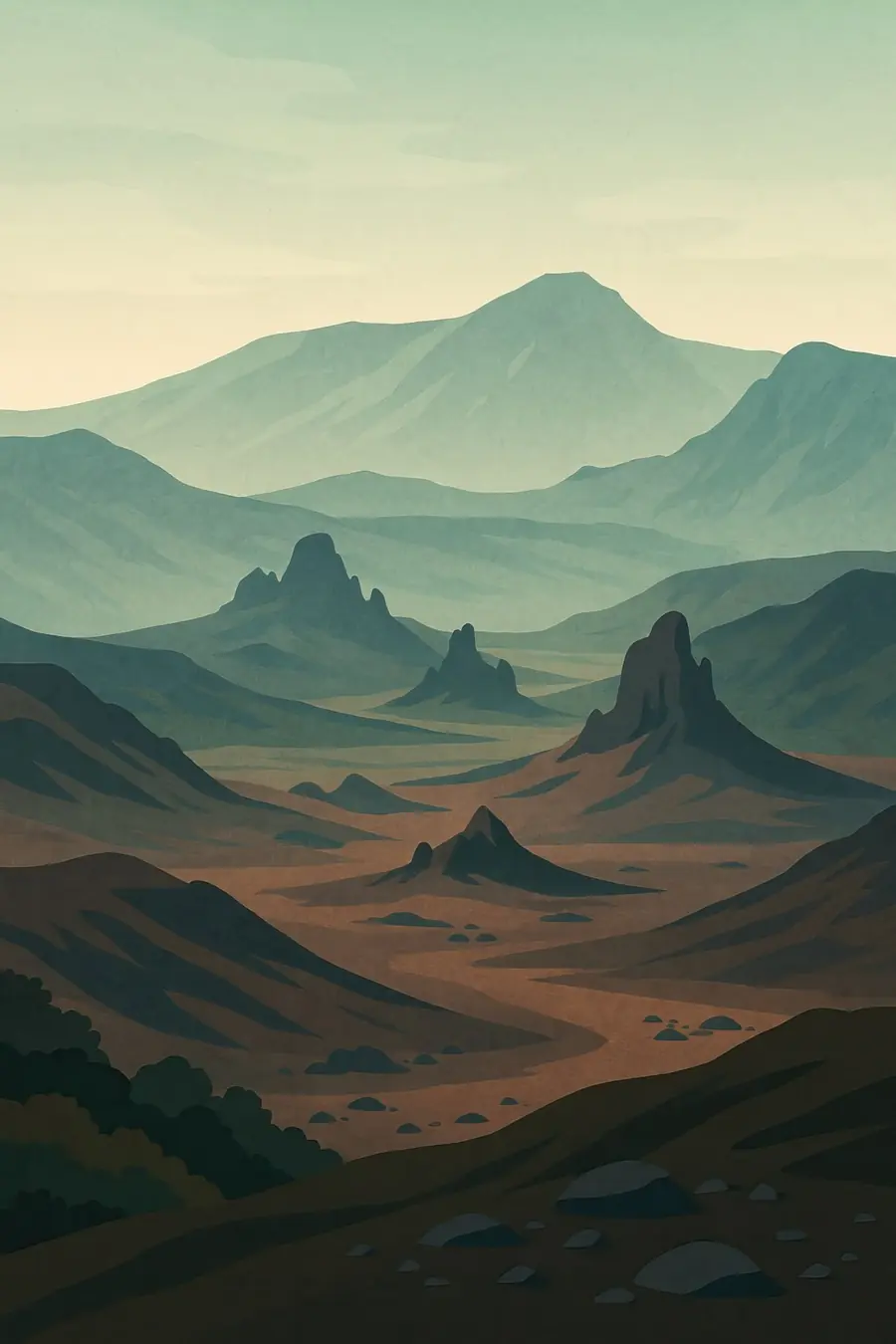
Haleakalā rises 3,055 metres above the sea, its broad slopes built from countless lava flows. Near the summit, erosion has hollowed out a huge basin, often called a crater, filled with red, black and grey cinder cones and bare lava fields. Above the clouds the air is thin, dry and cold, with frost on winter nights, and the light is clear at sunrise. On the windward slopes the rain falls heavily, feeding cloud forest, waterfalls and the pools of ʻOheʻo Gulch at Kīpahulu. The volcano last erupted a few centuries ago and is considered dormant, not extinct. On the summit you hear almost nothing but wind and the crunch of cinder.
History
Polynesian voyagers settled the Hawaiian islands about a thousand years ago. For Kānaka Maoli, Native Hawaiians, Haleakalā means "house of the sun", and the story tells of the demigod Māui snaring the sun from the summit to slow its path across the sky. The summit was a sacred place used for ceremony, astronomy and burial, while people farmed and fished on the lower slopes. After Western contact in 1778, ranching and sugar plantations spread across Maui. The summit area became part of Hawaii National Park in 1916, and Haleakalā became its own national park in 1961. The Kīpahulu valley and coast were added later in the 1960s.
Why it matters for the living world
Haleakalā shelters many plants and animals found nowhere else on Earth. The silversword, or ʻāhinahina, grows only on its upper slopes, a spiky silver rosette that flowers once and then dies. It was nearly wiped out by goats and collectors and has recovered under protection. The nēnē, Hawaiʻi's native goose, and the endangered ʻuaʻu, or Hawaiian petrel, which nests in burrows near the summit, also live here. The rainforests of Kīpahulu are among the last refuges for Maui's native forest birds, including the kiwikiu and ʻākohekohe. The forests capture rain and fog, feeding streams and groundwater that East Maui relies on.
People of the place
Kānaka Maoli hold Haleakalā as a sacred place and a link to their ancestors, and some families still bring offerings and hold ceremonies at the summit. Native Hawaiians have long objected to building telescopes on the summit, including the large solar telescope completed around 2020. In Kīpahulu, local families work with the park through the Kīpahulu ʻOhana to restore taro patches and share traditional farming. Communities in upcountry Maui and along the Hāna coast depend on the mountain's water, ranches and tourism. Volunteers and students regularly join park staff to plant silverswords and remove invasive plants.
What it faces
Invasive species are the biggest threat. Feral pigs and goats damage native plants, so the park maintains fences and removes animals. Introduced mosquitoes carry avian malaria, which has killed many native birds, and warming temperatures let the mosquitoes reach higher forests. Since 2023 agencies have released male mosquitoes carrying a bacterium that stops eggs from hatching, in an effort to reduce mosquito numbers. Warming and drying conditions also stress silverswords. Invasive plants, ants and wasps spread into native habitats. Large crowds come for the summit sunrise, and the park now requires reservations. Conservation groups, the park and the state run fencing, predator control and bird captive-breeding programmes.
Sources
- Haleakalā Silverswords (NPS)
- 225 Maui Students Plant 317 Threatened Silverswords (NPS)
- Haleakalā National Park Foundation Document Overview (NPS)
- Haleakalā volcano's endangered, endemic silverswords begin blooming in unusually large numbers (Hawaii Magazine)
Written for Regenerative Voices from the sources above. Spotted something wrong? Tell us.