
The place
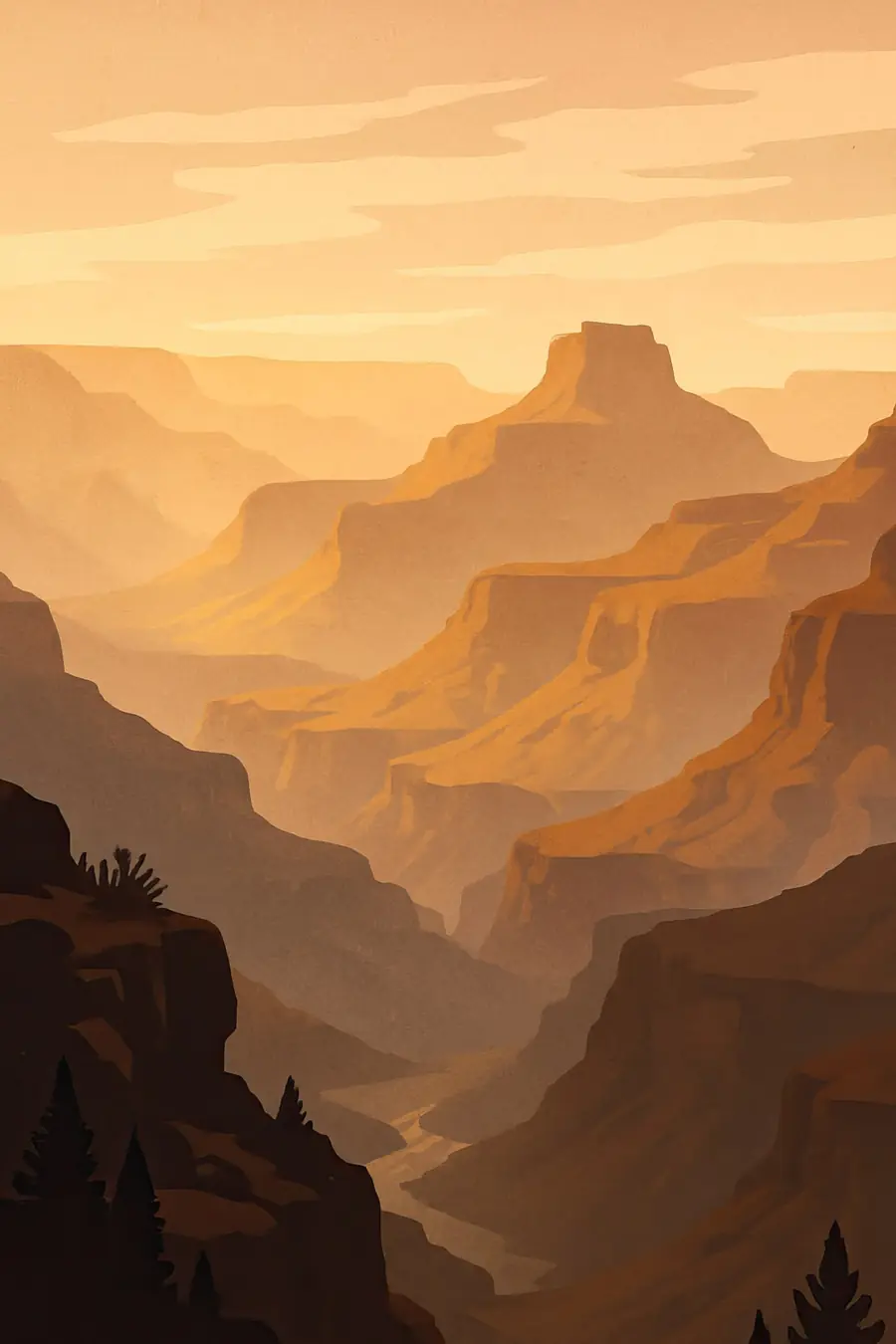
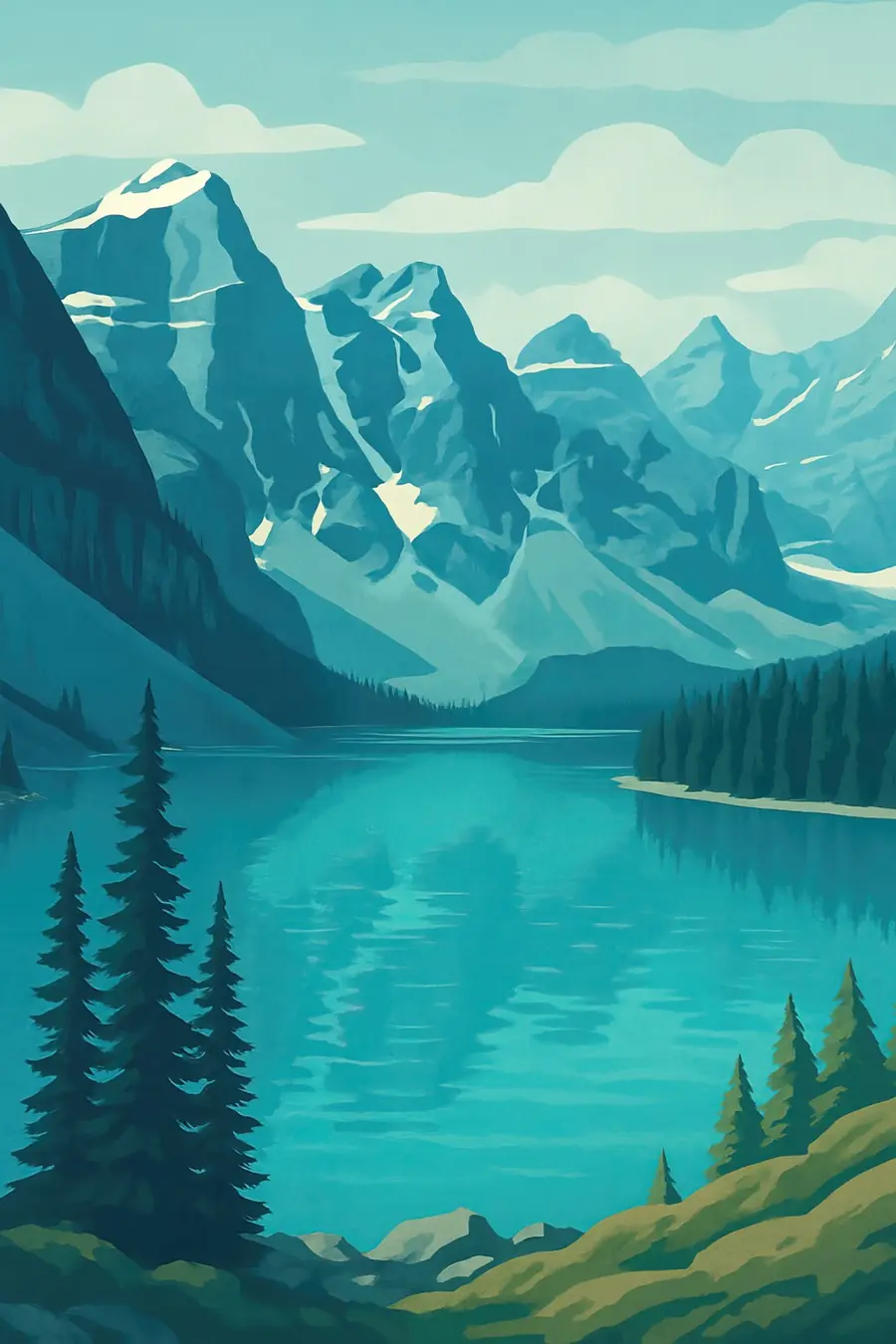
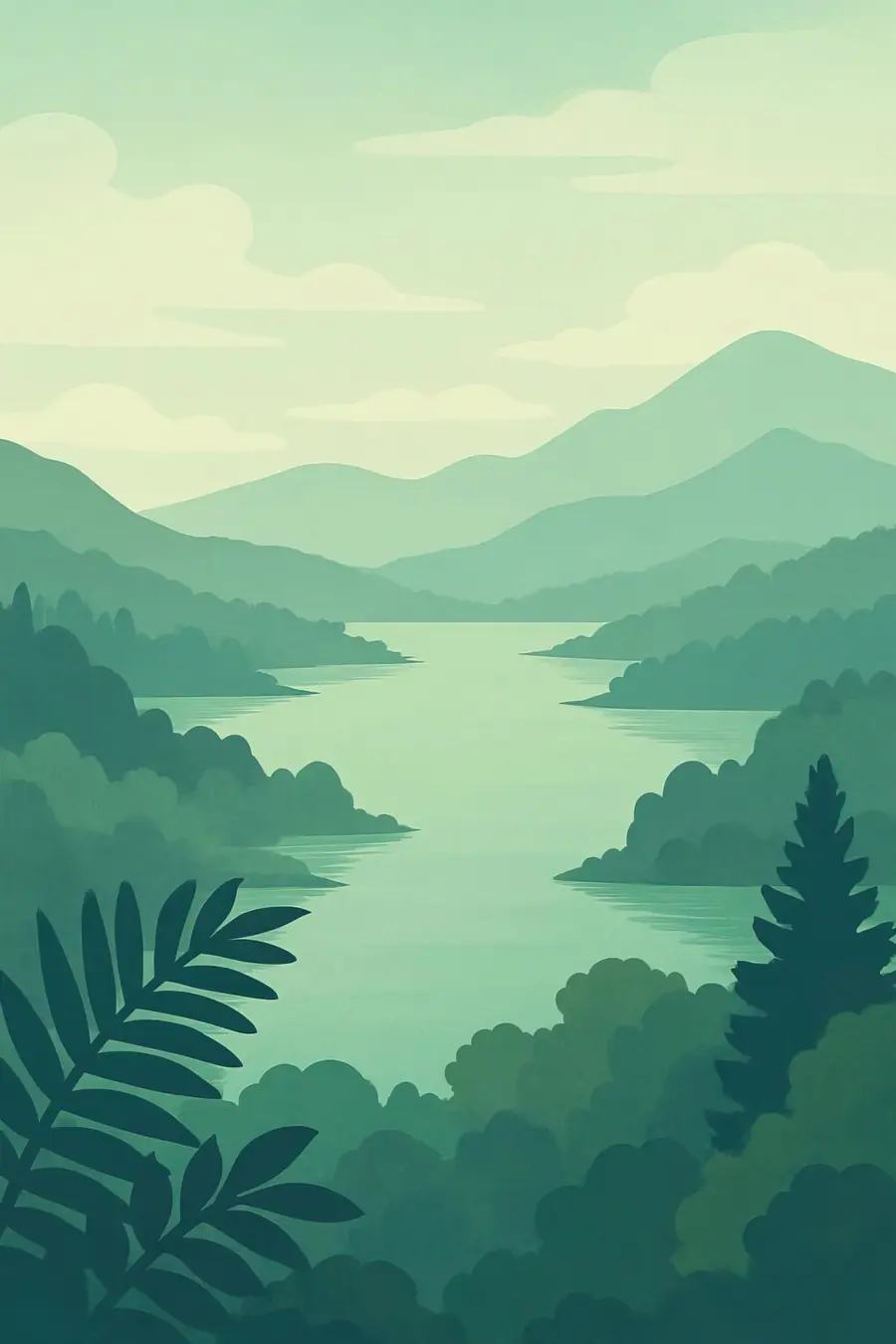
The boreal forest is a broad belt of spruce, fir, pine, birch and aspen, broken by countless lakes, rivers, bogs and muskeg, running from Alaska to Newfoundland. Winters are long and cold, summers short and full of light. To the south lie the Great Plains, a vast rolling grassland of tall, mixed and short grasses, with deep black soils, big skies and strong winds. In the west the Rocky Mountains and other ranges rise with conifer forests, alpine tundra and glaciers. Fire, snow and flood have shaped all three. In the forest you hear loons and wolves, on the prairie meadowlarks and wind, and in the mountains rushing creeks.
History
People have lived across these lands since the end of the last ice age, following caribou, bison and salmon. Hundreds of Indigenous nations shaped the land with fire, hunting and farming. European fur traders arrived from the 1600s, and the Hudson's Bay Company claimed much of the north. In the 1800s settlers and governments spread across the plains, made treaties and forced many nations onto reserves and reservations. Bison, which had once numbered in the tens of millions, were hunted to fewer than a thousand animals by the late 1880s. Most of the prairie was ploughed for farming. In the twentieth century logging, mining, oil, gas and hydroelectric dams expanded into the north.
Why it matters for the living world
North America's boreal forest is one of the largest intact forests left on Earth. It stores more than 200 billion tonnes of carbon in its trees, soils and peat, and billions of birds of nearly 400 species nest there each summer. Its lakes and rivers hold a large share of the world's fresh surface water. The prairies once supported huge herds of bison and elk, and their deep grass roots built some of the richest soils in the world and still store carbon. Today the remaining grasslands shelter declining birds such as the greater sage-grouse and grassland sparrows. The mountains are the source of rivers that supply water across the continent.
People of the place
Many Indigenous peoples live in these lands, including the Cree, Dene, Anishinaabe, Innu, Métis and Gwich'in in the boreal north, and the Lakota, Dakota, Nakota, Blackfoot, Cheyenne and others on the plains. Many keep hunting, fishing, trapping and gathering as part of daily life. In Canada, Indigenous nations are leading some of the largest land protection efforts in the world through Indigenous Protected and Conserved Areas and Indigenous Guardians programmes, such as Thaidene Nëné in the Northwest Territories. On the plains, tribes and ranchers are bringing bison back to tribal lands. Rural farming, ranching and resource towns rely on these landscapes for their livelihoods.
What it faces
Logging, oil sands mining, oil and gas drilling, hydroelectric dams, roads and mines fragment parts of the boreal forest, especially in its southern reaches. Boreal woodland caribou are declining and are listed as threatened in Canada. Climate change is bringing larger and more frequent wildfires, thawing permafrost and drying peatlands, and Canada's 2023 fire season was the largest on record. On the plains, conversion of native grassland to cropland continues, and less than a tenth of the original tallgrass prairie remains. Indigenous-led protected areas, grassland easements with ranchers, bison restoration and new national parks are among the responses.
Sources
- Boreal Forest Offers Hope in the Face of Climate and Biodiversity Crises (Boreal Songbird Initiative)
- Boreal Forests (National Audubon Society)
- In Canada's Boreal Forest, a New National Park Faces the Wrongs of the Past and Guards Our Climate Future (Audubon Magazine)
- UN Report and Indigenous-led Conservation in the Boreal (Boreal Songbird Initiative)
Written for Regenerative Voices from the sources above. Spotted something wrong? Tell us.